

Amikacin (Amikacin)






Sample: Available
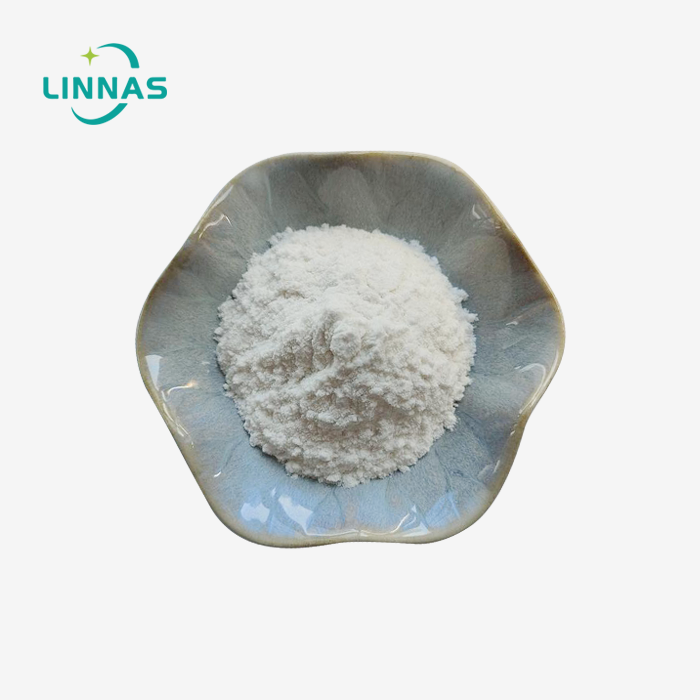
Appearance: White crystalline powder
Delivery: within 3 days after payment
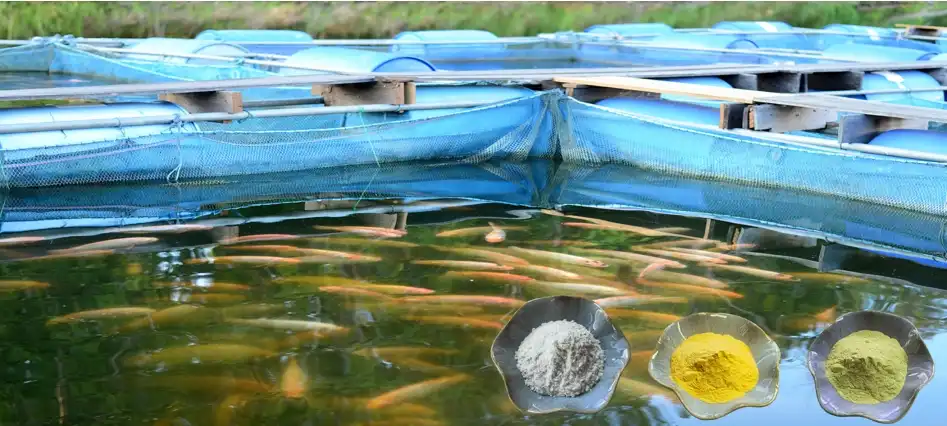
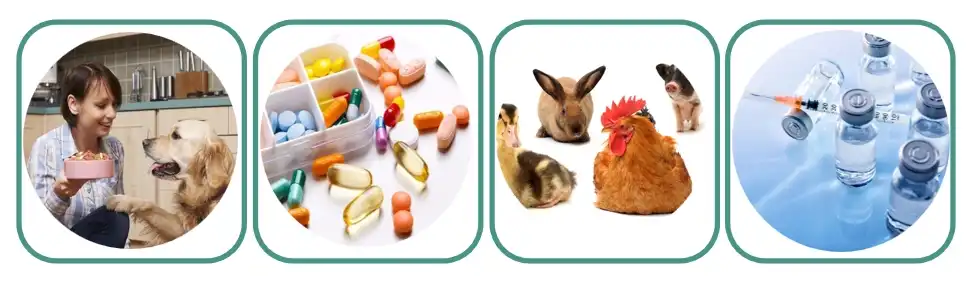
Application:used for animal,Aquatic products, Poultry
Certifications: ISO
Package: Drum: 20,25kg,50kg
- Product Description
Amikacin (Amikacin) – Pharmaceutical Grade API from Xi'an Linnas Biotech
Xi'an Linnas Biotech Co., Ltd. supplies pharmaceutical-grade Amikacin (Amikacin) designed to satisfy strict international quality criteria for essential antibiotic formulations at 99% purity. Our semi-synthetic aminoglycoside API is perfect for treating Gram-negative infections that are resistant to multiple drugs because of its remarkable resistance to bacterial enzymatic breakdown. We guaranty batch-to-batch consistency, regulated endotoxin levels below 0.33 EU/mg, and potency surpassing 900 µg/mg on an anhydrous basis thanks to our ISO 9001-certified manufacturing facilities. Our product meets the USP and EP monograph standards for use in pharmaceutical, veterinary, and specialty inhalation therapies and is sent as a white crystalline powder within three days after the order is confirmed.
What is Amikacin (Amikacin)?
Our product is a type of antibiotic called an aminoglycoside, which is made by changing a natural compound called kanamycin A.It was created to work better than older antibiotics like gentamicin, which can be broken down by certain enzymes that make them less effective.This drug attaches to a part of bacteria's ribosomes called the 30S subunit in a way that can't be reversed.
This stops the bacteria from making proteins, which are necessary for their survival.It also weakens the bacteria's cell membranes.Doctors use this antibiotic as a final option to treat serious infections caused by certain resistant bacteria, such as those from the Enterobacteriaceae family, Acinetobacter baumannii, and Pseudomonas aeruginosa.
In high-resistance clinical settings, its distinctive L-HABA side chain offers exceptional stability. It works when other aminoglycosides do not because of this chemical advantage.
Technical Specifications
|
Parameter |
Specification |
|
Purity |
99% minimum |
|
Appearance |
White to off-white crystalline powder |
|
Molecular Formula |
C22H43N5O13 |
|
Optical Rotation |
+97° to +105° |
|
pH (Solution) |
9.5 to 11.5 |
|
Potency |
≥900 µg/mg (anhydrous basis) |
|
Bacterial Endotoxins |
<0.33 EU/mg (parenteral grade) |
|
Free Kanamycin |
<1.0% |
|
Solubility |
Sparingly soluble in water |
|
Storage |
Controlled room temperature, light-resistant container |
Strict Quality Control Standards
Strict multi-stage testing procedures are necessary for Amikacin (Amikacin) quality assurance. To confirm chromatographic purity and identify synthesis byproducts, our facility uses approved HPLC techniques.
Parenteral-grade safety for injectable formulations is guarantyd by bacterial endotoxin testing. Following ICH Q3C norms, we keep strict controls on residual solvents including methanol and acetone.
Assays for microbiological potency verify the efficacy of antibiotics across production batches. Every lot undergoes pH verification and solubility testing to guarantee formulation stability.
Kanamycin content is one of the impurity profiles that our quality management system monitors. This all-encompassing strategy guaranties that your finished pharmaceutical products satisfy legal standards in North America, Europe, and other foreign markets.
Pharmaceutical Applications
The principal use of this API is still sterile injectable solutions. Amikacin sulfate injections are used in hospital intensive care units to treat nosocomial pneumonia in immunocompromised patients, severe sepsis, and complicated UTIs.
The use of inhalation therapies is expanding. For patients with cystic fibrosis, pharmaceutical companies create liposomal and nebulized versions. While lowering systemic toxicity, these targeted lung delivery systems fight nontuberculous mycobacteria and persistent Pseudomonas aeruginosa.
This substance is used in top-quality products for horse healthcare by vets.Vets prescribe it for septic arthritis in baby horses and infections inside the womb of pregnant mares.Both of these conditions require precise pH balance in the treatment.
It is also a main part of treatments for tough-to-treat tuberculosis and Mycobacterium avium complex.
Chemical Properties and Stability
The molecular structure of Amikacin (Amikacin) provides exceptional resistance to bacterial defense mechanisms. Its therapeutic efficacy is only impacted by particular enzymatic changes at the 4' or 6' amino group.
This substance appears as a powder that attracts moisture and can turn bad when exposed to air.To keep it strong and prevent it from changing color, it should be stored in sealed containers that block out light.
It is different from other aminoglycosides because it has a special way of twisting light and a basic pH level. When developing a formulation, these qualities must be carefully taken into account.
Manufacturers should be aware that mutual inactivation results from direct combination with beta-lactam antibiotics. Combination therapies require unique formulation barriers or distinct administration routes.
Packaging and Delivery
We provide this pharmaceutical API in 20 kg, 25 kg, and 50 kg barrels. To preserve product integrity during overseas shipping, all packing materials adhere to pharmaceutical-grade requirements.
After payment confirmation, delivery takes place within three days. To maintain chemical stability, our logistics partners guaranty temperature-controlled transportation.
Before placing large orders, samples are provided for qualification testing. This enables you to confirm compatibility with your production procedures.
Frequently Asked Questions
Q: What are the differences between the resistance profiles of amikacin and gentamicin?
A: It is effective against resistant strains because it is resistant to numerous enzymes that render gentamicin and tobramycin inactive.
Q: Which storage circumstances stop deterioration?
A: Store at regulated room temperature in airtight, light-resistant containers. The API is oxidation-sensitive and hygroscopic.
Q: Can it be combined in formulations with beta-lactams?
A: No, mutual inactivation results from direct mixing. These antibiotics need to be administered or formulated differently.
Q: How is the risk of nephrotoxicity controlled?
A: Extended-interval dosing schedules and therapeutic drug monitoring reduce dose-dependent toxicity without sacrificing effectiveness.
Q: Does your product adhere to the most recent pharmacopeial guidelines?
A: Yes. Our product closely complies with the impurity limitations specified in the USP and EP monographs, as confirmed by established analytical techniques.
Contact Us for Premium Pharmaceutical APIs
Ready to use the Amikacin (Amikacin) to source high-quality aminoglycoside APIs for your formulations? Contact us at cathy@linnas.com.cn to discuss specifications, request COA documentation, or place your order today.
_1735099214534.webp)