
_1735099214534.webp)
What is Xanthine Powder? Discover Its Uses and Potential Benefits
Xanthine powder, a fascinating compound found in different nourishments and refreshments, has been garnering consideration in the world of sustenance and wellbeing. This normally happening substance plays a pivotal part in our bodies and has provoked the intrigue of researchers and well-being devotees alike. In this comprehensive guide, we'll delve into the world of xanthine powder, exploring its roots, employments, and potential benefits.
The Science Behind Xanthine: Understanding Its Chemical Structure and Properties
Xanthine is a purine base, a sort of organic compound that forms the building pieces of DNA and RNA. Its chemical equation is C5H4N4O2, and it's closely related to other purine subsidiaries such as caffeine, theobromine, and theophylline. These compounds are collectively known as methylxanthines, and they share comparable properties and impacts on the human body.
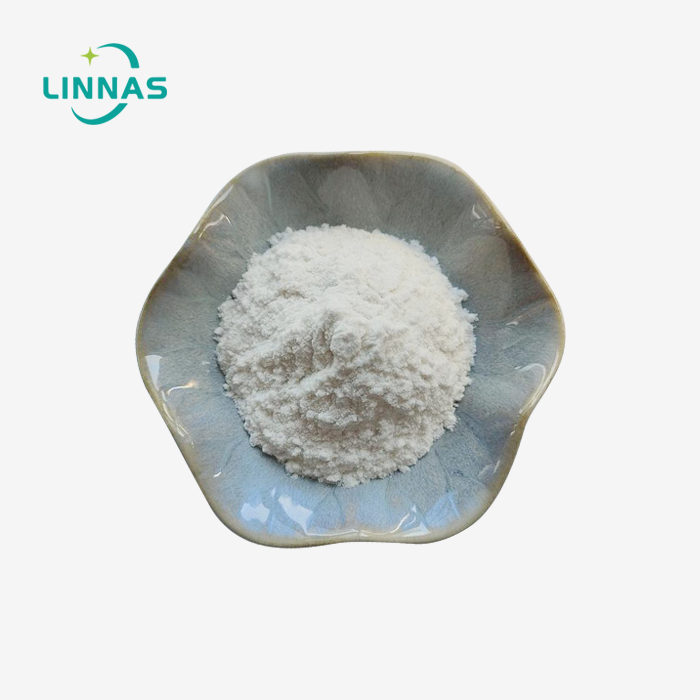
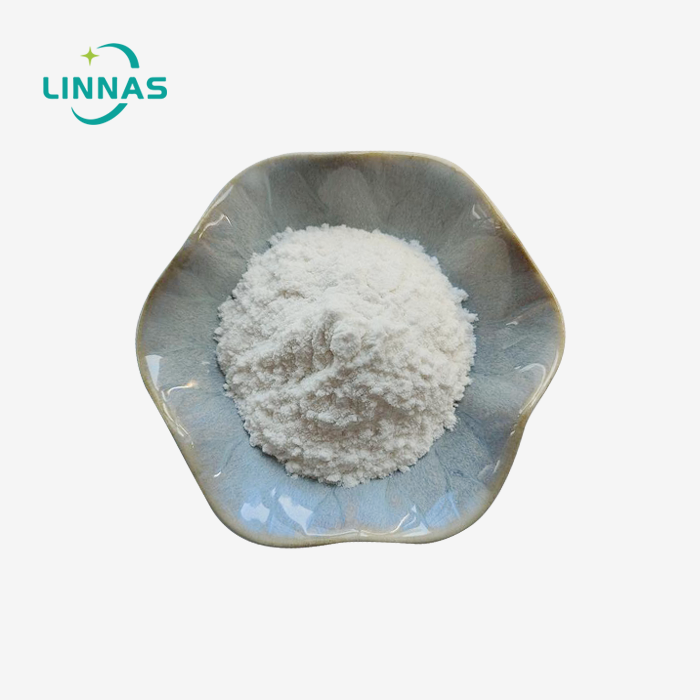
The structure of xanthine comprises two melded rings: a six-membered pyrimidinedione ring and a five-membered imidazole ring. This special arrangement gives xanthine its characteristic properties and impacts its intelligent inside natural frameworks. Xanthine is a white, crystalline powder that's marginally soluble in water and more soluble in soluble arrangements.
In the human body, xanthine is a halfway in the digestion system of purines. It's formed amid the breakdown of adenosine and guanosine, two vital nucleosides in our cells. Xanthine is at that point encouraged to oxidize to uric acid, which is excreted in urine. This metabolic pathway is significant for keeping up the adjustment of purine compounds in our bodies.
Interestingly, xanthine and its subordinates show mild stimulant impacts on the central nervous framework. This is due to their capacity to repress adenosine receptors, which are dependable for advancing rest and stifling excitement. By blocking these receptors, xanthine compounds can increment readiness and diminish fatigue, clarifying the energizing impacts of caffeine-containing refreshments.
Natural Sources and Extraction Methods of Xanthine Powder
Xanthine powder is ubiquitous in nature, found in a wide variety of plants and animal tissues. Some of the most common natural sources of xanthine include:
- Coffee beans
- Tea leaves
- Cocoa beans
- Yerba mate
- Guarana seeds
- Kola nuts

These plants have evolved to produce xanthine and its derivatives as a natural defense mechanism against insects and herbivores. The bitter taste and stimulant effects of these compounds help deter potential predators.
The extraction of xanthine powder from natural sources involves several steps:
- Raw material preparation: The plant material is dried, ground, and sometimes roasted to release the xanthine compounds.
- Solvent extraction: The prepared material is treated with a solvent, often water or ethanol, to dissolve the xanthine and other soluble compounds.
- Filtration: The liquid extract is separated from the solid plant material through filtration.
- Concentration: The filtered extract is concentrated by evaporating the solvent.
- Purification: Various techniques such as recrystallization, chromatography, or selective precipitation are used to isolate pure xanthine from other compounds.
- Drying: The purified xanthine is dried to form a powder.
Exploring the Diverse Applications and Potential Health Benefits of Xanthine Powder
Xanthine powder and its derivatives have found applications in various fields, from medicine to food and beverage industries. Let's explore some of the most notable uses and potential health benefits:
Medical Applications
In the medical field, xanthine derivatives have been used for decades to treat various conditions:
- Respiratory disorders: Theophylline, a xanthine derivative, is used as a bronchodilator to treat asthma and chronic obstructive pulmonary disease (COPD).
- Cardiovascular health: Some xanthine compounds have shown potential in improving blood flow and reducing the risk of certain cardiovascular diseases.
- Neonatal care: Caffeine, another xanthine derivative, is used to treat apnea of prematurity in newborns.
- Neurological research: Xanthine compounds are being studied for their potential neuroprotective effects and possible applications in treating neurodegenerative diseases.
Sports and Performance Enhancement
The stimulant effects of xanthine compounds have made them popular in the world of sports and fitness:
- Pre-workout supplements: Many pre-workout formulas contain xanthine derivatives to boost energy and focus during exercise.
- Endurance enhancement: Some studies suggest that xanthine compounds may improve endurance performance by increasing fat oxidation and sparing glycogen stores.
- Mental alertness: Athletes often use caffeine-containing products to improve reaction times and maintain focus during competitions.
Cognitive Function and Mental Health
The effects of xanthine compounds on the central nervous system have sparked interest in their potential cognitive benefits:
- Memory enhancement: Some studies suggest that xanthine derivatives may improve certain aspects of memory and cognitive function.
- Mood regulation: Caffeine and other xanthine compounds have been associated with improved mood and reduced risk of depression in some populations.
- Neuroprotection: Emerging research is exploring the potential of xanthine derivatives in protecting against age-related cognitive decline and neurodegenerative diseases.
Weight Management
Xanthine powder derivatives, particularly caffeine, have been studied for their potential effects on metabolism and weight management:
- Increased metabolic rate: Some studies suggest that xanthine compounds can temporarily boost metabolic rate, potentially aiding in weight loss efforts.
- Appetite suppression: Caffeine has been shown to have mild appetite-suppressing effects in some individuals.
- Enhanced fat oxidation: Xanthine compounds may increase the body's ability to burn fat during exercise.
Food and Beverage Industry
Xanthine powder and its derivatives are widely used in the food and beverage industry:
- Natural flavorings: Xanthine compounds contribute to the characteristic flavors of coffee, tea, and chocolate products.
- Energy drinks: Many energy beverages contain xanthine derivatives as their primary active ingredients.
- Functional foods: Some food products are fortified with xanthine compounds to provide energy-boosting or cognitive-enhancing effects.
Cosmetic and Skincare Applications
The potential benefits of xanthine compounds have also caught the attention of the cosmetic industry:
- Anti-aging products: Some skincare formulations incorporate xanthine derivatives for their potential antioxidant properties.
- Cellulite treatments: Caffeine-based topical products are marketed for their potential to reduce the appearance of cellulite.
- Hair care: Some hair products contain xanthine compounds, claiming to promote hair growth and improve scalp health.
As we've investigated, xanthine powder and its subordinates offer a wide extent of potential benefits and applications over various areas. From restorative medicines to execution upgrades and everyday items, these compounds continue to intrigue analysts and shoppers alike. Be that as it may, it's significant to approach the use of xanthine compounds with caution and mindfulness of potential side impacts or intelligence, particularly when used in high measurements or by touchy people.
Conclusion
Xanthine powder, with its diverse applications and potential benefits, proceeds to be a subject of awesome intrigued in logical and health communities. From its part in our body's normal forms to its use in different businesses, xanthine and its subsidiaries illustrate the surprising flexibility of this compound.
As research advances, we may uncover indeed more energizing applications for xanthine powder, possibly revolutionizing medicines for different wellbeing conditions or upgrading human execution in uncommon ways. Be that as it may, it's vital to approach the use of xanthine compounds with an adjusted perspective, considering both their potential benefits and conceivable risks. To learn more about xanthine powder and other natural plant extracts, don't hesitate to reach out to the knowledgeable team at Xi'an Linnas Biotech Co., Ltd. You can contact them at cathy@linnas.com.cn for expert advice and information on their range of products and services.
References
1. Fredholm, B. B. (2011). Methylxanthines. Springer Berlin Heidelberg.
2. Nehlig, A., Daval, J. L., & Debry, G. (1992). Caffeine and the central nervous system: mechanisms of action, biochemical, metabolic and psychostimulant effects. Brain Research Reviews, 17(2), 139-170.
3. Daly, J. W. (2007). Caffeine analogs: biomedical impact. Cellular and Molecular Life Sciences, 64(16), 2153-2169.
4. Ojha, S., Goyal, S., Sharma, C., Arora, S., Kumari, S., & Arya, D. S. (2013). Cardioprotective effect of lyophilized hydroalcoholic extract of Withania somnifera against isoproterenol-induced myocardial infarction in rats. Human & Experimental Toxicology, 32(7), 699-707.
5. Graham, T. E. (2001). Caffeine and exercise. Sports Medicine, 31(11), 785-807.