
_1735099214534.webp)
What does silymarin do to the kidneys?
In the ever-expanding landscape of natural health supplements, silymarin powder has emerged as a prominent player, renowned chiefly for its benefits to the liver. However, its potential impact on another vital organ, the kidneys, has also been a subject of growing interest. Let's take a closer look at what role silymarin might play in maintaining and safeguarding kidney health.

Understanding Silymarin Powder
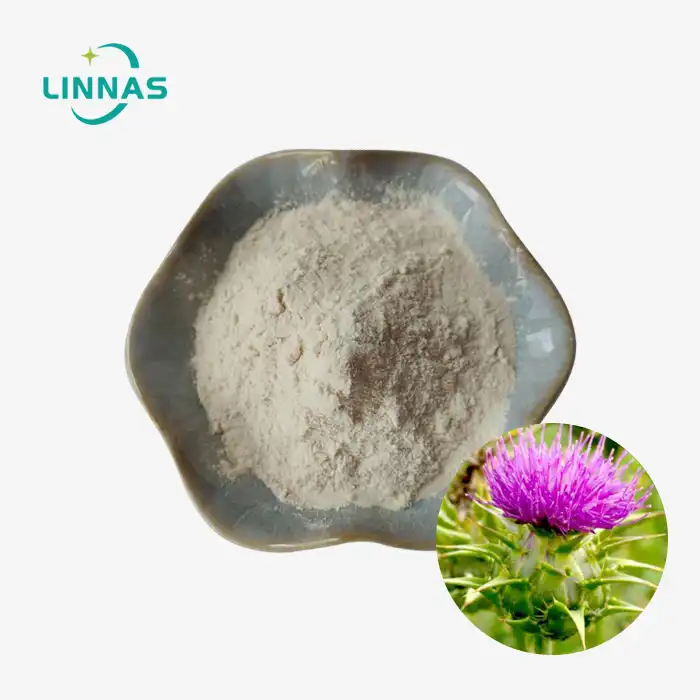
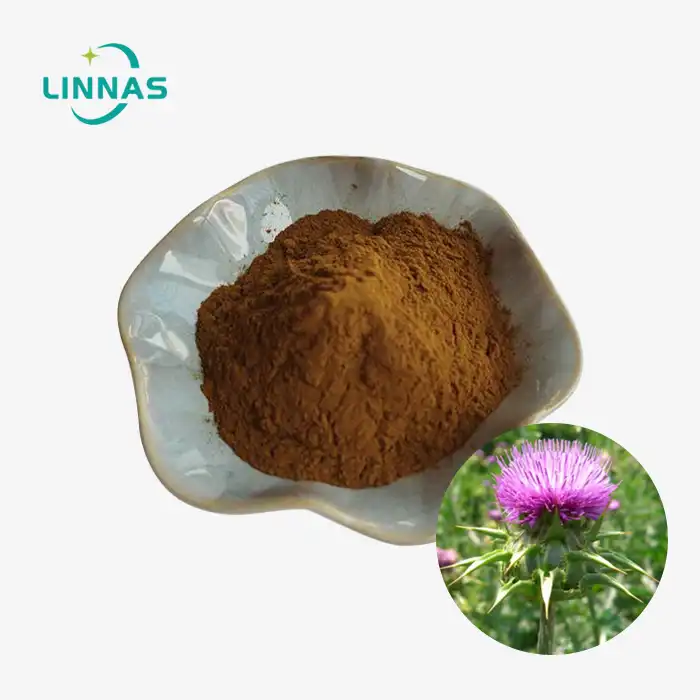
Silymarin, as we know, is a complex of flavonolignans extracted predominantly from the seeds of the milk thistle plant. When it comes to silymarin powder, it represents a concentrated form of these bioactive compounds, making it a convenient and potent option for supplementation. High-quality silymarin powder can offer a precise dosage, ensuring that consumers receive consistent amounts of the active ingredients that could potentially influence kidney function.
The Kidney's Crucial Role
Before delving into silymarin's effects, it's essential to appreciate the kidneys' significance. These bean-shaped organs are responsible for filtering waste products, excess water, and toxins from the bloodstream, maintaining the body's fluid and electrolyte balance, and regulating blood pressure. In essence, they are the body's natural filtration system, working tirelessly to keep us healthy. Given their critical functions, any support we can offer to keep them in optimal condition is of utmost importance.
Potential Benefits of Silymarin on Kidney Health
1. Antioxidant Defense
One of the primary ways silymarin may benefit the kidneys is through its potent antioxidant properties. The kidneys are constantly exposed to oxidative stress due to the high volume of blood they filter and the metabolic processes they oversee. Free radicals generated during these activities can damage kidney cells over time, leading to a decline in kidney function. Silymarin, with its ability to scavenge free radicals, can step in as a protective shield. By neutralizing these harmful molecules, it helps prevent oxidative damage to the kidney tissues. For instance, studies have shown that in animal models with induced kidney damage, silymarin supplementation led to a reduction in markers of oxidative stress, suggesting a potential protective effect.
2. Anti-Inflammatory Action
Inflammation is another factor that can wreak havoc on the kidneys. Conditions like glomerulonephritis, where the kidney's filtering units become inflamed, can severely impair kidney function. Silymarin has demonstrated anti-inflammatory capabilities in various contexts, and this could translate to benefits for the kidneys. It can modulate the body's inflammatory response by interfering with the signaling pathways that trigger inflammation. In clinical trials involving patients with certain kidney inflammations, silymarin supplementation was associated with a decrease in inflammatory markers and an improvement in symptoms, indicating its potential to quell kidney-related inflammation.
3. Supporting Detoxification
The kidneys and the liver work hand in hand when it comes to detoxifying the body. While the liver processes and metabolizes toxins, the kidneys are responsible for excreting them. Silymarin, known for its liver-protective and detoxifying effects on the liver, may indirectly support the kidneys' detox efforts. By enhancing the liver's ability to break down and handle toxins, it ensures that the kidneys receive a more manageable load of waste products to excrete. This 协同作用 can help prevent the accumulation of toxins in the kidneys, reducing the risk of damage caused by toxic overload.
4. Protecting Against Drug-Induced Nephrotoxicity
In modern medicine, many drugs can have adverse effects on the kidneys, a phenomenon known as nephrotoxicity. Some medications, especially those used for long-term treatments like chemotherapy drugs or certain antibiotics, can cause damage to the kidney cells. Silymarin has shown promise in protecting against such drug-induced kidney damage. Research suggests that it can interfere with the mechanisms by which these drugs cause toxicity, either by reducing oxidative stress generated by the drugs or by modulating the drug's metabolism in the body. In patients undergoing chemotherapy, for example, silymarin supplementation was found to mitigate some of the kidney damage associated with the treatment, offering a glimmer of hope for better kidney protection during drug therapies.
Considerations and Cautions
While the potential benefits of silymarin for kidney health are encouraging, it's important to approach its use with caution. Firstly, more research is still needed to fully understand the long-term effects and optimal dosages for kidney-specific benefits. Secondly, silymarin can interact with certain medications, especially those metabolized by the liver. If you are taking any prescription drugs, it's crucial to consult your healthcare provider before starting silymarin supplementation. Additionally, individuals with pre-existing kidney conditions should be especially careful and have their kidney function monitored closely while using silymarin powder.
In conclusion, silymarin powder, with its unique blend of antioxidant, anti-inflammatory, and detoxifying properties, shows potential in safeguarding and enhancing kidney health. While it's not a substitute for medical treatment in case of kidney diseases, it could be a valuable adjunct in maintaining optimal kidney function, especially for those looking to support their overall health through natural means. As research continues to unfold, we may gain even more clarity on how best to harness the power of silymarin for the well-being of our kidneys.