
_1735099214534.webp)
Using Kudzu Root Extract Powder for Pain Relief and Inflammation
In the realm of characteristic cures, Kudzu root extract powder has developed as a powerful arrangement for those looking for help from torment and aggravation. This antiquated herbal cure, inferred from the Pueraria lobata plant, has been used in conventional Chinese medication for centuries. Nowadays, we'll investigate the benefits, applications, and science behind this momentous extract.
Understanding Kudzu Root Extract Powder
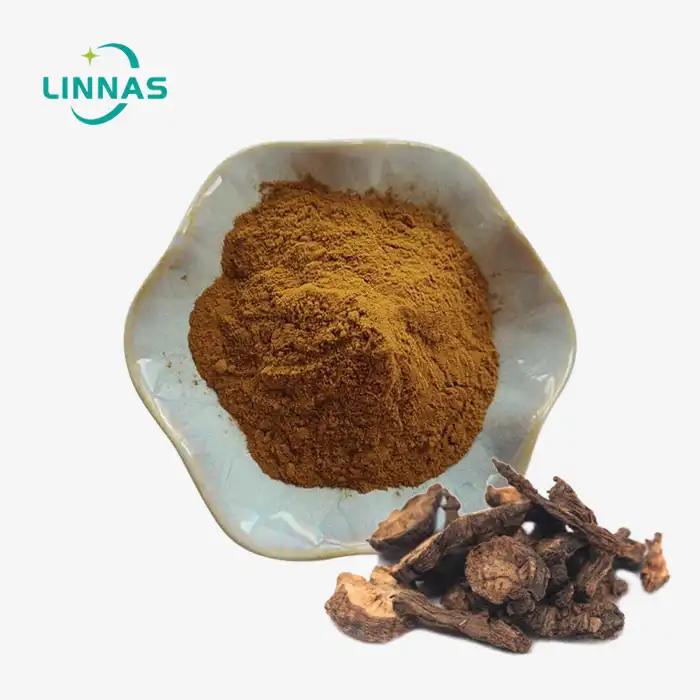
Kudzu root extract powder is a fine, light yellow substance derived from the root of the Kudzu plant. This plant, native to East Asia, has been utilized for its medicinal properties for thousands of years. The extract is rich in isoflavones, which are bioactive compounds known for their numerous health benefits.
Key Components and Characteristics
The power of Kudzu root extract powder lies in its dynamic fixings, fundamentally isoflavones. These compounds are capable of numerous of the extract's helpful impacts. High-quality Kudzu root extract powder ordinarily contains a virtue of 98% isoflavones, in spite of the fact that this can be customized based on particular prerequisites.
The extract is available in various concentrations, ranging from 10:1 to 50:1, allowing for flexibility in dosage and application. Its appearance is characterized by a brown to yellow powder, which can be easily incorporated into various formulations.
The Science Behind Pain Relief and Anti-Inflammatory Properties
The efficacy of Kudzu root extract powder in managing pain and inflammation is rooted in its rich phytochemical profile. Let's delve into the scientific mechanisms that make this extract a promising natural remedy.
Isoflavones: The Key Players
Isoflavones, the primary active compounds in Kudzu root extract, have been extensively studied for their anti-inflammatory and analgesic properties. These compounds work by inhibiting various inflammatory pathways in the body, effectively reducing pain and swelling.
Research has shown that isoflavones can suppress the production of pro-inflammatory cytokines, which are signaling molecules that promote inflammation. By modulating these inflammatory responses, Kudzu root extract powder may help alleviate chronic pain conditions and reduce systemic inflammation.
Antioxidant Activity
Beyond its direct anti-inflammatory effects, Kudzu root extract powder also exhibits potent antioxidant activity. Antioxidants play a crucial role in neutralizing harmful free radicals in the body, which can contribute to inflammation and oxidative stress.
By combating oxidative stress, Kudzu root extract may help protect cells from damage and support overall cellular health. This antioxidant effect complements its anti-inflammatory properties, potentially offering a multi-faceted approach to pain management and inflammation reduction.
Applications and Usage of Kudzu Root Extract Powder
The versatility of Kudzu root extract powder makes it suitable for various applications in both traditional and modern contexts. Let's explore some of the ways this natural remedy can be utilized for pain relief and inflammation management.
Dietary Supplements
One of the most common applications of Kudzu root extract powder is in dietary supplements. These supplements can be formulated in various forms, including capsules, tablets, or powders. The extract's high purity (up to 98% isoflavones) allows for precise dosing and standardization.
When considering Kudzu root extract powder supplements, it's essential to look for products that have undergone rigorous quality testing and certification. Reputable manufacturers, like Xi'an Linnas Biotech Co., Ltd., ensure their products meet international standards, including ISO, HACCP, HALAL, and KOSHER certifications.
Topical Applications
Kudzu root extract powder can also be incorporated into topical formulations for localized pain relief and inflammation reduction. Creams, gels, or ointments containing the extract may be applied directly to affected areas, allowing for targeted relief.
The fine, light yellow powder form of the extract makes it easy to blend into various topical bases. This versatility opens up possibilities for both professional and DIY formulations, catering to diverse consumer preferences.
Culinary and Beverage Uses
For those who prefer a more holistic approach, Kudzu root extract powder can be incorporated into culinary creations and beverages. Its mild flavor profile allows for seamless integration into smoothies, teas, or even baked goods.
When using Kudzu root extract powder in food and beverages, it's crucial to adhere to recommended dosages and consult with a healthcare professional, especially for individuals with pre-existing health conditions or those taking medications.
Quality Considerations and Sourcing
The efficacy and safety of Kudzu root extract powder largely depend on its quality and sourcing. When selecting a product or supplier, consider the following factors:
- Purity: Look for extracts with high isoflavone content, ideally around 98%.
- Concentration: Choose an appropriate concentration (10:1 to 50:1) based on your specific needs.
- Certifications: Opt for products that have undergone rigorous quality testing and hold relevant certifications.
- Packaging: Ensure proper packaging to maintain potency. Foil bags (1-10kg) or drums (20-25kg) are common packaging options.
- Supplier Reputation: Choose reputable suppliers with a track record of quality and consistency.
Xi'an Linnas Biotech Co., Ltd., for instance, offers Kudzu root extract powder that meets these quality standards. Their products are available in various specifications and packaging options, catering to both small-scale and bulk requirements.
Potential Side Effects and Precautions
While Kudzu root extract powder is generally considered safe for most individuals, it's essential to be aware of potential side effects and take necessary precautions:
- Allergic Reactions: Some individuals may be allergic to Kudzu or related plants. Always perform a patch test before widespread use.
- Drug Interactions: Kudzu may interact with certain medications, particularly those affecting blood clotting or liver function. Consult with a healthcare provider if you're taking any medications.
- Pregnancy and Breastfeeding: Limited research exists on the safety of Kudzu root extract during pregnancy or breastfeeding. Exercise caution and consult a healthcare professional.
- Dosage: Adhere to recommended dosages and avoid excessive consumption, as this may lead to adverse effects.
Future Research and Potential
The field of natural medicine continues to evolve, and Kudzu root extract powder remains an area of active research. Ongoing studies are exploring its potential in various health applications, including:
- Cardiovascular Health: Investigating the extract's potential role in supporting heart health and managing blood pressure.
- Cognitive Function: Exploring possible neuroprotective effects and cognitive enhancement properties.
- Metabolic Health: Studying the extract's impact on glucose metabolism and weight management.
Conclusion
Kudzu root extract powder offers a promising natural approach to pain relief and inflammation management. Its rich isoflavone content, coupled with its versatility and ease of use, makes it an attractive option for those seeking alternative or complementary therapies.
If you're interested in learning more about Kudzu root extract powder or China kudzu root extract powder suppliers, don't hesitate to reach out to the experts at Xi'an Linnas Biotech Co., Ltd. Their team of professionals is ready to provide comprehensive information and support. Contact them at cathy@linnas.com.cn for personalized assistance and to explore their range of high-quality plant extracts.
References
1. Keung, W. M., & Vallee, B. L. (1998). Kudzu root: an ancient Chinese source of modern antidipsotropic agents. Phytochemistry, 47(4), 499-506.
2. Peng, N., Clark, J. T., Prasain, J., Kim, H., White, C. R., & Wyss, J. M. (2005). Antihypertensive and cognitive effects of grape polyphenols in estrogen-depleted, female, spontaneously hypertensive rats. American Journal of Physiology-Regulatory, Integrative and Comparative Physiology, 289(3), R771-R775.
3. Prasain, J. K., Peng, N., Rajbhandari, R., & Wyss, J. M. (2012). The Chinese Pueraria root extract (Pueraria lobata) ameliorates impaired glucose and lipid metabolism in obese mice. Phytomedicine, 20(1), 17-23.
4. Wong, K. H., Li, G. Q., Li, K. M., Razmovski-Naumovski, V., & Chan, K. (2011). Kudzu root: traditional uses and potential medicinal benefits in diabetes and cardiovascular diseases. Journal of Ethnopharmacology, 134(3), 584-607.
5. Yu, P., & Sun, H. (2013). Puerarin, a novel lead for the development of drugs for the treatment of Parkinson's disease. Chinese Journal of Natural Medicines, 11(2), 111-118.