
_1735099214534.webp)
Is silymarin the same as milk thistle?
In the world of natural health products, the terms “silymarin” and “milk thistle” are often heard, especially when it comes to the popular milk thistle extract powder. But are they truly one and the same? Let’s unravel the relationship between these two to gain a clearer understanding.

Understanding Milk Thistle
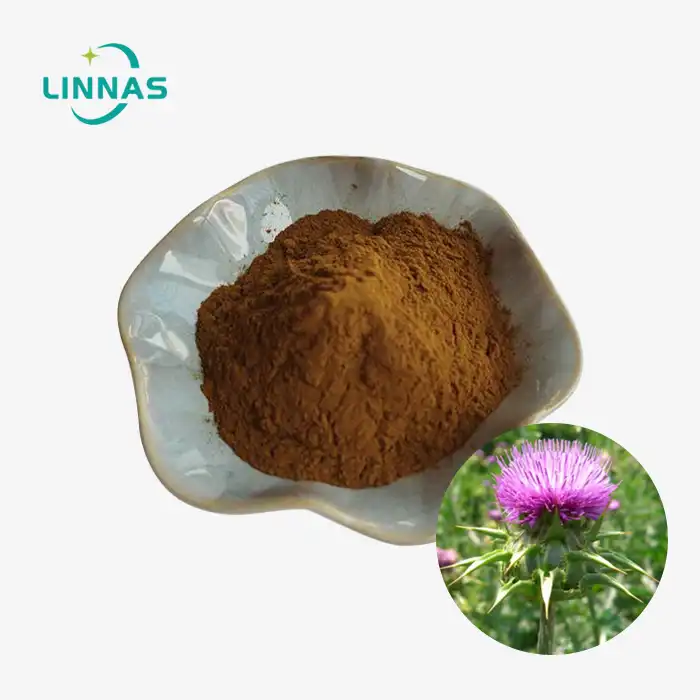
Milk thistle, scientifically known as Silybum marianum, is a plant that has been used for centuries in traditional medicine. It has a distinct appearance with prickly leaves and a characteristic purple flower. Native to the Mediterranean region, it has spread across the globe and is now cultivated in many parts of the world for its medicinal properties. The whole milk thistle plant contains a variety of compounds, but it’s the seeds that are of particular interest when it comes to health benefits.
What is Silymarin?
Silymarin is a complex mixture of flavonolignans that are naturally found in the seeds of the milk thistle plant. These flavonolignans, including silybin, silychristin, and silydianin, work together to give silymarin its unique properties. It’s important to note that silymarin is not the entire milk thistle plant; rather, it’s a concentrated extract of specific bioactive compounds derived from the seeds. When we talk about “milk thistle extract powder,” if it’s of high quality, it should contain a significant amount of silymarin. For example, a premium milk thistle extract powder might boast a high percentage of silymarin, say 80% or more, which indicates a potent and concentrated form.
The Key Differences
Chemical Composition
As mentioned, milk thistle is the whole plant, which encompasses a vast array of compounds like proteins, fats, carbohydrates, and other phytochemicals. In contrast, silymarin is a refined and specific group of flavonolignans. While silymarin is a crucial part of what makes milk thistle beneficial, it doesn’t represent the entirety of the plant’s chemical makeup. You can think of silymarin as the star ingredient that has been isolated and concentrated from the milk thistle seeds.
Medicinal Applications
Milk thistle, in its whole form, has been used traditionally for various ailments, such as liver disorders, gallbladder problems, and even as a general tonic. However, its effects are thought to be largely due to the presence of silymarin. Silymarin, on the other hand, has been extensively studied for its hepatoprotective (liver-protecting) properties. It can enhance the liver’s antioxidant defenses, reduce inflammation in the liver caused by factors like hepatitis or excessive alcohol consumption, and potentially slow down the progression of liver fibrosis. In addition to liver health, silymarin’s antioxidant capabilities also extend to protecting other organs and tissues in the body, like the skin from UV damage and the cardiovascular system from oxidative stress related to cholesterol oxidation.
Forms and Usage
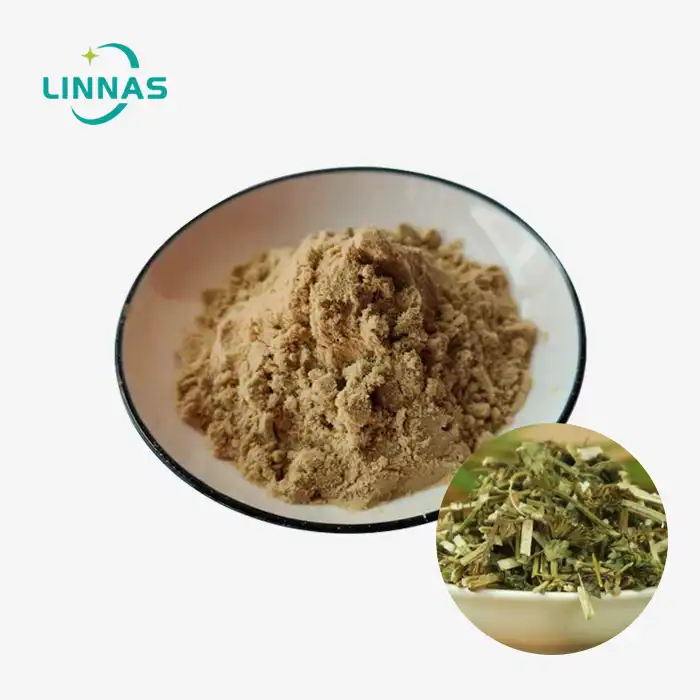
Milk thistle is available in multiple forms, including dried herb, capsules filled with ground seeds, and of course, the extract powder. When using the whole milk thistle herb, it might be brewed as a tea, but this form may not provide as concentrated a dose of the beneficial silymarin as the extract powder. The extract powder, especially those with a high silymarin content, is often encapsulated for easy consumption. This allows for more precise dosing, ensuring that consumers get a consistent amount of the active silymarin compounds. For those looking to target specific health concerns, such as liver support, the milk thistle extract powder with a high silymarin percentage is typically the preferred choice.
The Overlapping Benefits
Despite their differences, there is significant overlap in the benefits they offer, mainly because of silymarin’s presence in milk thistle. Both are associated with liver health. Milk thistle has a long history of use in promoting liver function, and silymarin’s scientific research backs up its ability to protect and repair liver cells. They also share some antioxidant potential, which helps combat the harmful effects of free radicals in the body, although silymarin is more potent and targeted in this regard.
In conclusion, silymarin and milk thistle are not the same. Milk thistle is the whole plant, while silymarin is a concentrated extract of key bioactive compounds from its seeds. However, their connection is undeniable, as silymarin is what gives milk thistle many of its touted health benefits. When considering using milk thistle extract powder, understanding this relationship can help you make a more informed choice about how to best incorporate it into your health regimen. Whether you’re aiming to support your liver health, boost your antioxidant defenses, or explore other potential benefits, knowing the difference between silymarin and milk thistle is a crucial first step.