
_1735099214534.webp)
Exploring the Nutritional Power of Kelp Powder
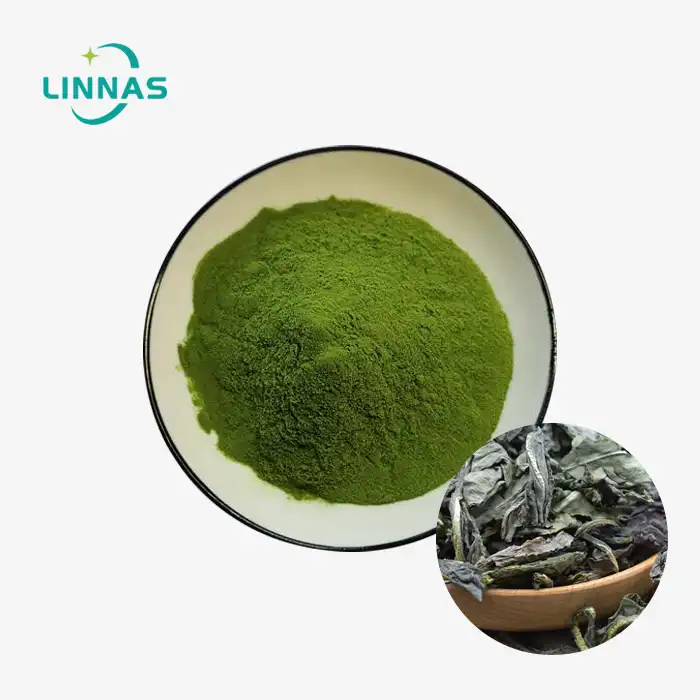
In the realm of superfoods, kelp powder has developed as a dietary powerhouse, advertising a plethora of well-being benefits stuffed into a helpful, flexible form. This sea vegetable, harvested from the profundities of our oceans, has been a staple in coastal cuisines for centuries. Nowadays, its powdered frame is picking up acknowledgment worldwide for its extraordinary supplement profile and potential health-boosting properties. Let's jump into the world of kelp powder and discover why it's making waves in the wellbeing and wellness community.
The Nutrient-Rich Profile of Kelp Powder
Kelp powder is a veritable treasure trove of basic supplements, making it a profitable expansion to any diet. This marine marvel is brimming with vitamins, minerals, and unique compounds that contribute to general well-being. One of the most striking qualities of kelp powder is its impressive iodine content. Iodine plays a pivotal part in thyroid work, controlling metabolism and supporting appropriate development and advancement. For people battling with iodine deficiency, consolidating kelp powder into their diet can be a game-changer.
Beyond iodine, kelp powder is a rich source of other crucial minerals. It contains noteworthy sums of calcium, magnesium, iron, and potassium. These minerals are basic for different real capacities, including bone wellbeing, muscle work, and keeping up proper liquid adjust. Kelp powder moreover brags a cluster of vitamins, including vitamin K, vitamin C, and a few B vitamins. These vitamins contribute to everything from blood clotting and resistant work to vitality, metabolism, and skin wellbeing.
One of the unique compounds found in kelp powder is fucoidan, a type of complex carbohydrate. Fucoidan has garnered attention in the scientific community for its potential anti-inflammatory and antioxidant properties. While research is ongoing, early studies suggest that fucoidan may have promising applications in supporting immune function and overall health. The nutritional profile of kelp powder extends to its protein content as well. While not a complete protein source, kelp powder does contain all essential amino acids, making it a valuable supplement for those following plant-based diets.
Harnessing the Health Benefits of Kelp Powder
The nutrient-rich composition of kelp powder translates into a wide array of potential health benefits. From supporting thyroid function to aiding weight management, this sea vegetable in powdered form offers a multitude of ways to enhance overall well-being. Thyroid health is perhaps the most well-known benefit associated with kelp powder. The high iodine content supports the production of thyroid hormones, which are crucial for regulating metabolism, energy levels, and body temperature. For individuals with subclinical iodine deficiency, incorporating kelp powder into their diet could help optimize thyroid function.
Weight management is another area where kelp powder shows promise. Its fiber content, particularly algin, can promote feelings of fullness, potentially reducing overall calorie intake. Additionally, the iodine in kelp powder supports a healthy metabolism, which is essential for maintaining a healthy weight. Kelp powder's potential anti-inflammatory properties, attributed to compounds like fucoidan, may offer support for individuals dealing with chronic inflammation. While more research is needed, preliminary studies suggest that kelp extract could help mitigate inflammatory responses in the body.
The antioxidant content of kelp powder is another aspect worth noting. Antioxidants help combat oxidative stress in the body, potentially reducing the risk of various chronic diseases and supporting overall cellular health. Bone health may also benefit from regular consumption of kelp powder. Its calcium and vitamin K content contribute to maintaining strong bones and teeth. For individuals at risk of osteoporosis or looking to support their skeletal system, kelp powder could be a valuable dietary addition.
Digestive health is another area where kelp powder may offer benefits. Its fiber content can support regular bowel movements and promote the growth of beneficial gut bacteria. Some studies suggest that certain compounds in kelp may also help protect the digestive tract from damage caused by harmful bacteria.
Incorporating Kelp Powder into Your Daily Diet
One of the most appealing aspects of kelp powder is its versatility. This nutrient-dense supplement can be easily incorporated into a variety of dishes and beverages, making it a convenient way to boost your nutrient intake. Smoothies are perhaps the easiest way to include kelp powder in your diet. A small scoop can be blended seamlessly into your favorite fruit or vegetable smoothie, imparting a subtle umami flavor while providing a nutritional boost. The powder's mild taste is easily masked by stronger flavors, making it an excellent addition to green smoothies or protein shakes.
 Soups and stews are another excellent vehicle for kelp powder. Its savory notes can enhance the depth of flavor in broths and stocks. Try adding a teaspoon to your next batch of vegetable soup or miso broth for an extra layer of complexity and nutrition. Salad dressings can also benefit from a touch of kelp powder. Mix it into your homemade vinaigrettes or creamy dressings for a mineral-rich twist. The powder can help emulsify dressings while adding a subtle sea-inspired flavor.
For those who enjoy baking, kelp powder can be incorporated into bread recipes. Add a small amount to your dough for a nutrient boost without significantly altering the taste or texture of your baked goods. Whole grain breads, in particular, can benefit from the addition of kelp powder. Seasoning blends are another creative way to use kelp powder. Mix it with other dried herbs and spices to create a unique seasoning for roasted vegetables, grilled fish, or even popcorn. Its natural saltiness can help reduce the need for added salt in your cooking.
For a quick and easy option, kelp powder can be stirred into hot water to make a mineral-rich tea. This can be particularly soothing on cold days or when you're looking for a caffeine-free beverage option. When cooking grains like rice or quinoa, consider adding a pinch of kelp powder to the cooking water. This not only infuses the grains with additional nutrients but also imparts a subtle umami flavor.
Conclusion
Kelp powder stands out as a nutritional powerhouse, offering a wide array of essential nutrients and potential health benefits. From supporting thyroid function to aiding in weight management and beyond, this sea vegetable in powdered form presents a convenient and versatile way to enhance your diet. If you're interested in exploring the world of natural plant extracts, including high-quality kelp powder, we invite you to reach out to us at cathy@linnas.com.cn. Our team of experts is ready to assist you in finding the perfect natural solutions for your health and wellness needs.
References
1. Brown, E. M., Allsopp, P. J., Magee, P. J., Gill, C. I., Nitecki, S., Strain, C. R., & McSorley, E. M. (2014). Seaweed and human health. Nutrition Reviews, 72(3), 205-216.
2. Teas, J., Braverman, L. E., Kurzer, M. S., Pino, S., Hurley, T. G., & Hebert, J. R. (2007). Seaweed and soy: companion foods in Asian cuisine and their effects on thyroid function in American women. Journal of Medicinal Food, 10(1), 90-100.
3. Fitton, J. H., Stringer, D. N., & Karpiniec, S. S. (2015). Therapies from fucoidan: an update. Marine Drugs, 13(9), 5920-5946.
4. Zava, T. T., & Zava, D. T. (2011). Assessment of Japanese iodine intake based on seaweed consumption in Japan: A literature-based analysis. Thyroid Research, 4(1), 14.
5. Kim, S. K., & Himaya, S. W. A. (2011). Medicinal effects of phlorotannins from marine brown algae. Advances in Food and Nutrition Research, 64, 97-109.